


News Update
The Park shall remain closed for the visitors on following days during 2026-27 есotourism season. Closed Day (Bansbari Range - Every Tuesday) ( Bhuyanpara Range - Every Thursday) ( Kahitama Beat - Every Mondat) ( Panbari Range Evert Friday)
The Park shall remain closed for the visitors on following days during 2026-27 есotourism season. Closed Day (Bansbari Range - Every Tuesday) ( Bhuyanpara Range - Every Thursday) ( Kahitama Beat - Every Mondat) ( Panbari Range Evert Friday)
The Park shall remain closed for the visitors on following days during 2026-27 есotourism season. Closed Day (Bansbari Range - Every Tuesday) ( Bhuyanpara Range - Every Thursday) ( Kahitama Beat - Every Mondat) ( Panbari Range Evert Friday)
The Park shall remain closed for the visitors on following days during 2026-27 есotourism season. Closed Day (Bansbari Range - Every Tuesday) ( Bhuyanpara Range - Every Thursday) ( Kahitama Beat - Every Mondat) ( Panbari Range Evert Friday)
Welcome to Jeep Safari in Manas Jeep Safari
Welcome to Manas Jeep Safari, your trusted Local travel partner in Manas National Park. We offer Jeep Safari, Elephant Safari, River Rafting, and Resort Booking for wildlife lovers and adventure seekers. Explore the dense forests, exotic animals, and scenic landscapes of Manas with our customized safari packages. Whether you want thrilling rides or peaceful stays, manasjeepsafari.in brings you the best of nature and comfort. Book now for an unforgettable journey to the UNESCO World Heritage Site.
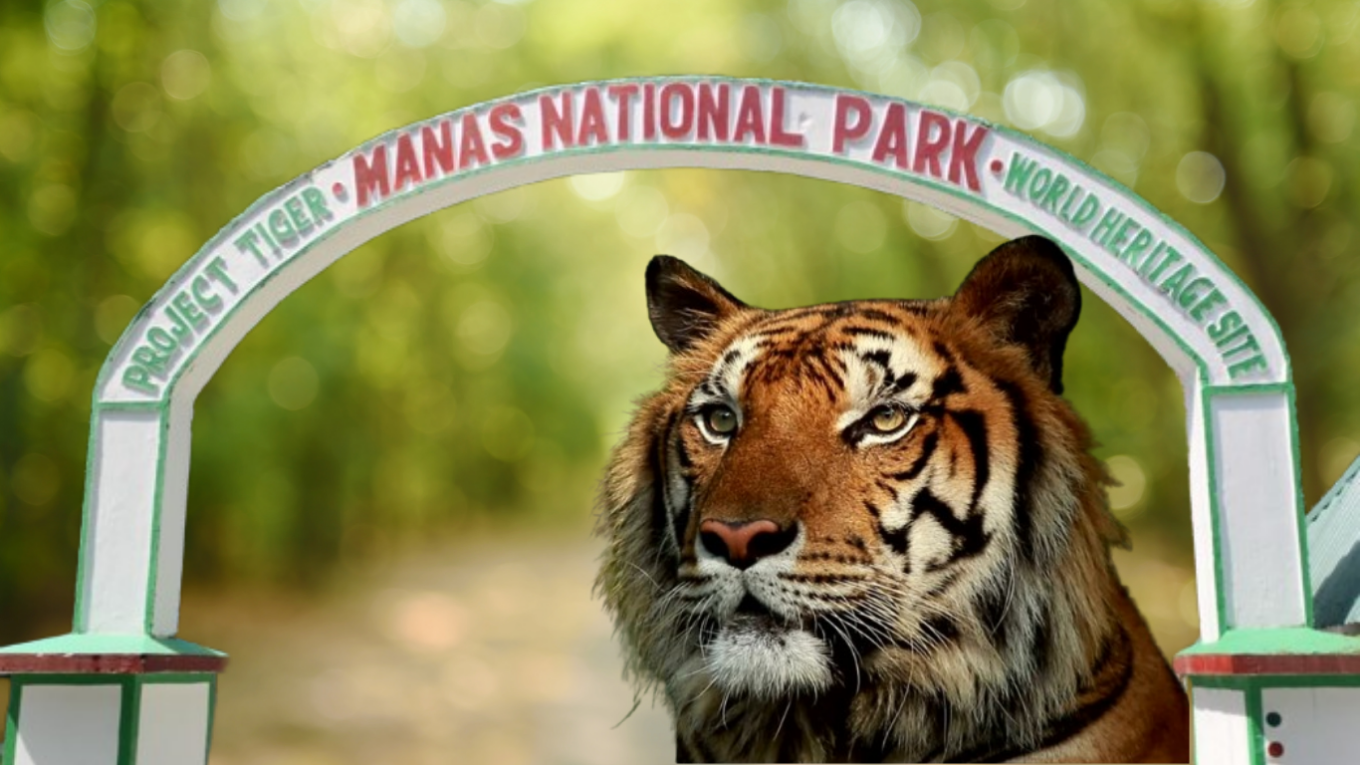
Manas Safari, Zone, Slot, Timeing & Price
| Jeep Safari (Indian) | Standard Safari Bansbari Zone - INR 5,550/ Jeep | Premium Safari Half Day Bansbari Zone - INR 8,550 / Bansbari Full Day Safari INR 14,550/ 5 person | Timing - 06:00am-11:00am | 01:30pm-03:00pm | | The Price Includes Jeep & Entry Fees. Guide & Gunman. |
| Elephant Safari (Indian) | INR 1350/ 1 Seat |1 Hours | Timing - 06:00am-07:00am | 07:00am-08:00am | |
| River Rafting (Indian) | INR 10200/ 6 Person Including Jeep Safari | 3 Hours | Timing - 09:00am | 01:00pm | |
| Bhutan Safari (Panbang) | INR 8,900/ 5 Person |
Explore The Rich Wildlife of Manas
Manas provides habitat for 22 of India’s most threatend species of mammals.in total, there are nearly 55 mammal species, 50 reptile species, 20 species of amphibians and more than 400species of birds of which 20species are globally threat
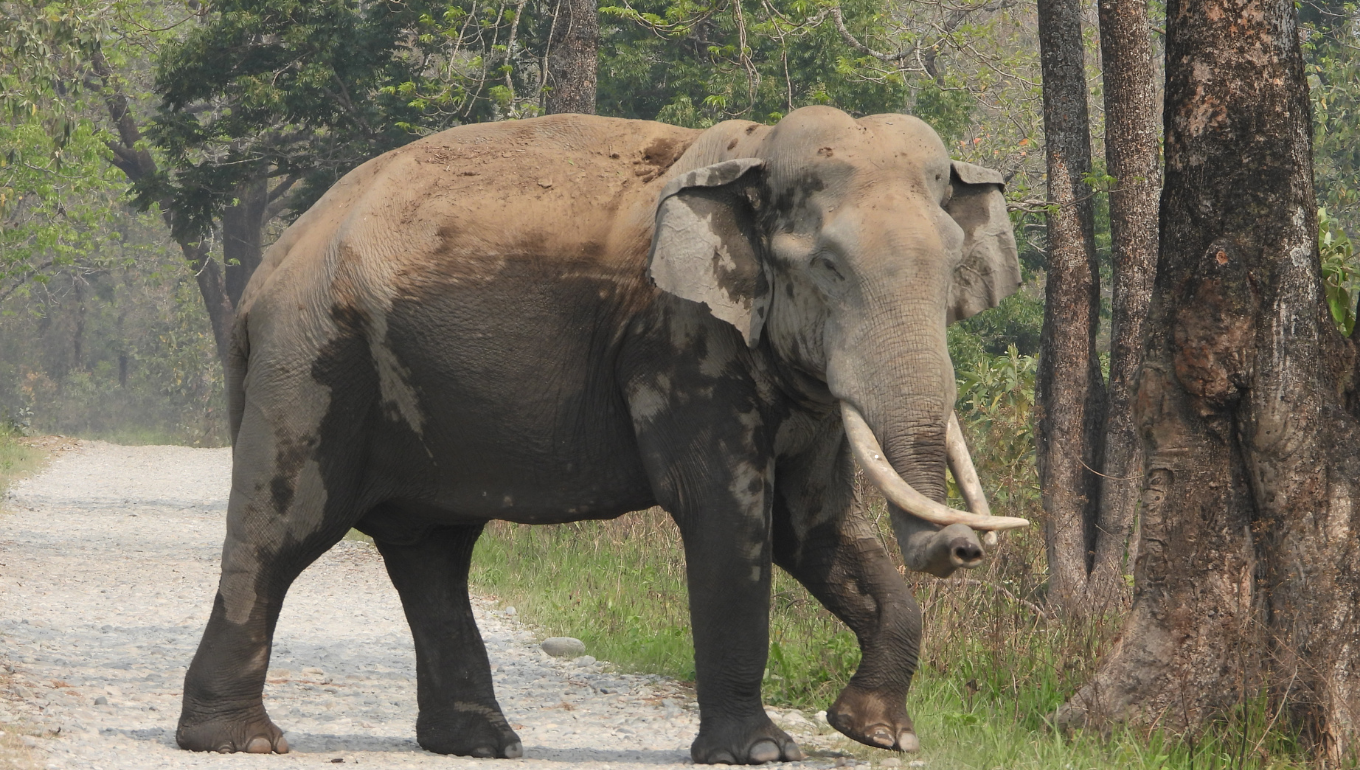
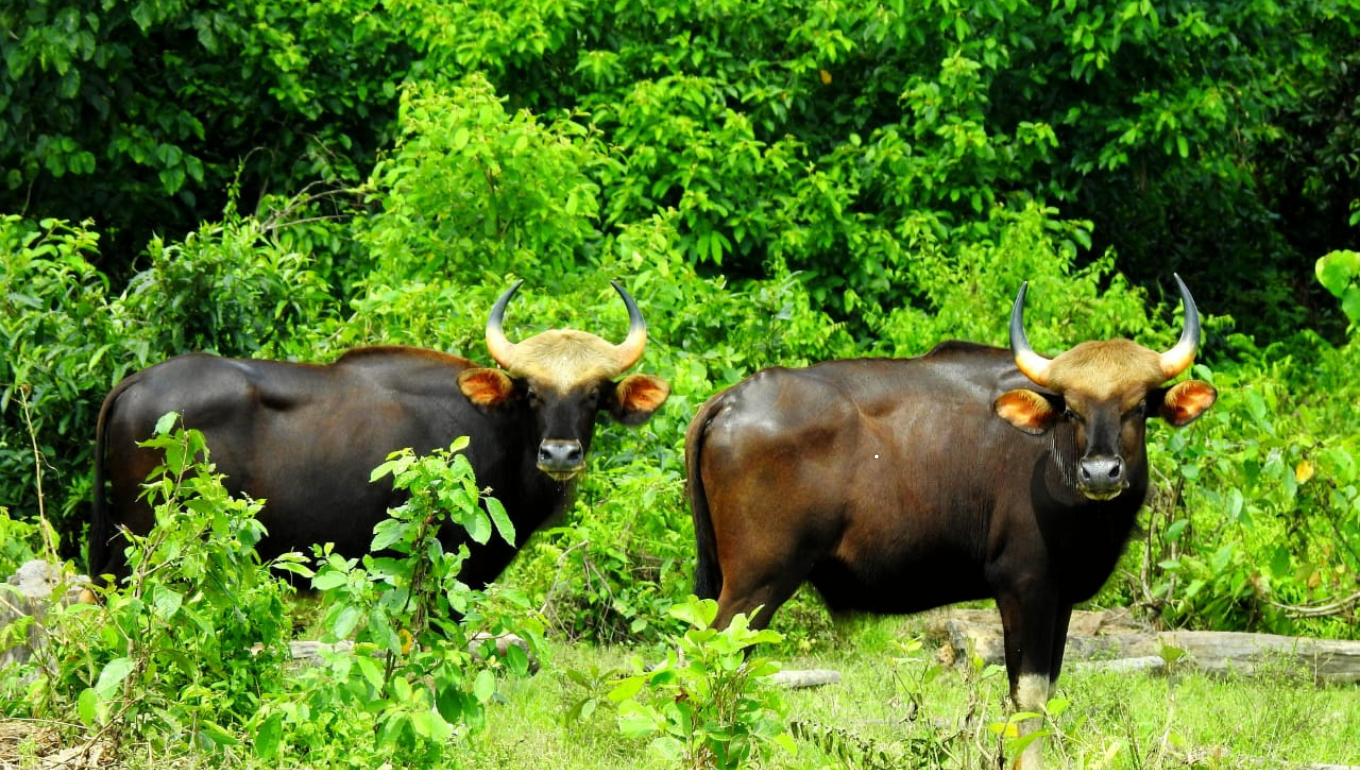
Mammals: Bengal Tiger, Clouded Leopard, Black Panther, Jungle Cat, Marbled Cat, Golden Cat, Himalayan Black Bear, Sloth Bear, Wild Dog, Hog Deer, Elephant, Wild Buffalo, Great one horn Rhino, Gaur(Indian Bison) Sambar, Swamp Deer, Barking Deer, Hog Deer, Indian Spotted Deer, Wild Pig, Pygmy Hog, Golden Langur, Capped Langur, among others.
Birds: Bengal Florican, Great Wreathed, Rufous-necked Hornbills, Black-breasted Parrot Bill, Jerdon’s Babbler, Swamp Francolin, Serpent Eagles, Minivet, Broadbill, Hooded Pitta, Kingfisher, White-bellied Heron, King Vulture, Slender-billed Vulture, Marsh, Owl, Malhoha, Kalij Pheasant, Paradise Flycatcher, among others.
Reptiles and Amphibians The park is also hone to about 50 species of reptiles and 20 species of amphibians. Assam Roofed Turtle, Indian Python, Elongated Tortoise, Monitor Lizard, Gharial and Indian Python are some of the reptiles found here. some of the amphibians found here are Duttaphrynus Melanostictus, Euphlyctis Cyanophlyctis, Zakerana pierrei, Hoplobatrachus tigerinus, Ingerana Borealis, Hylarana Tytleri, Humerana Humeralis, Feihyla Vittata. among
Flora Manas is dominatted by four distinct types of vegetation:
- Sub-Himalayan semi-evergreen forests in the north,
- East Himalayan mixed moist and dry deciduous forests.
- Semi-Evergreen Alluvial Grasslands.
- Low Alluvial Savanna Woodland.
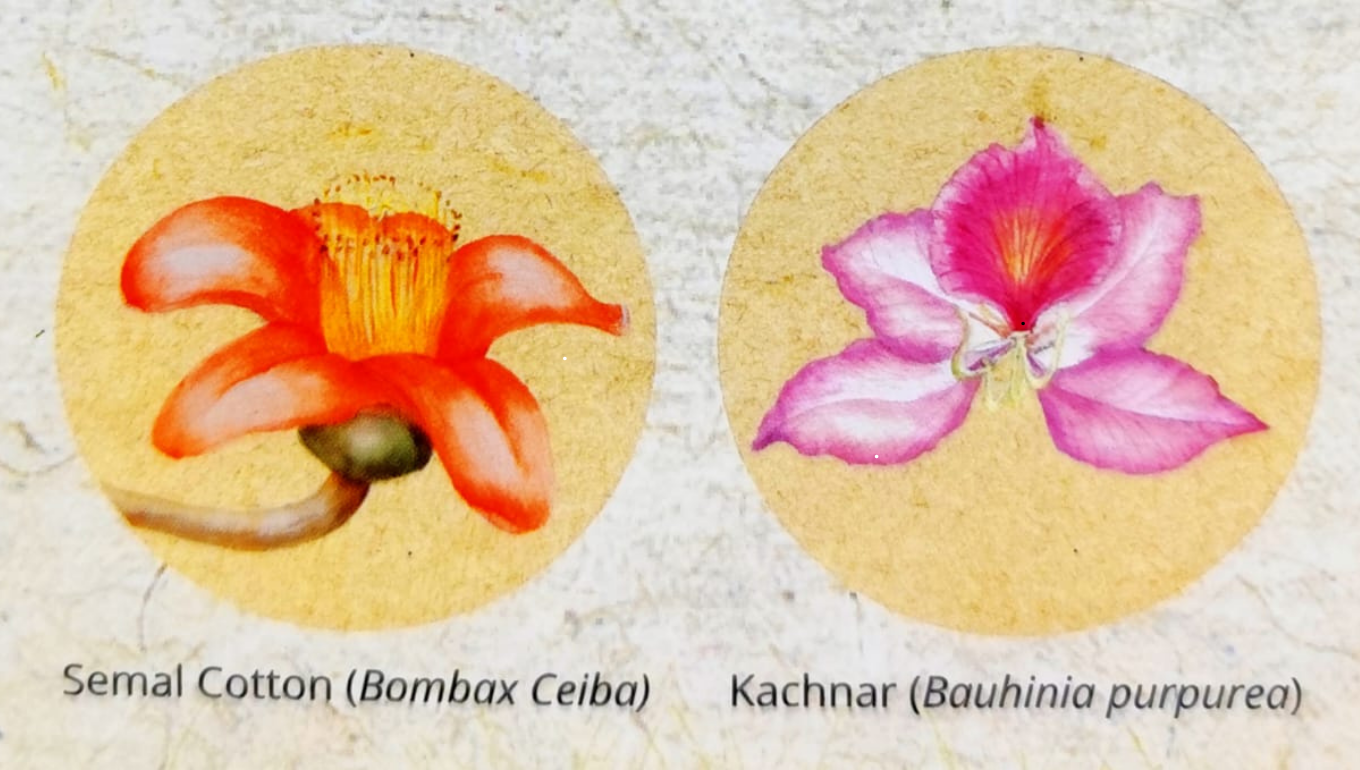
The park accounts for high plant diversity of about 622 plants species that include:
- 89 species of trees, 49 shrubs, 37 undershrubs, 172 herbs, 36 climbers, 15 species of orchids, 18 species of ferns and 43 species of grasses.
- A number of ethno-medicinal plants have also recorded from the park.
Faq's in Manas National Park
Manas National Park is famous for its rich biodiversity, Bengal tigers, Indian one-horned rhinoceroses, wild water buffalo, golden langurs, and breathtaking landscapes. It is also a UNESCO World Heritage Site.
Manas National Park is located in the Baksa, Chirang, and Barpeta districts of Assam, India, along the foothills of the Himalayas and bordering Bhutan.
The best time to visit is from November to April, when the weather is pleasant and wildlife sightings are more frequent.
No. The park is generally closed during the monsoon season, usually from late June to the end of September, for visitor safety and conservation purposes.
Visitors can enjoy Jeep Safari, Elephant Safari (subject to availability), bird watching, river rafting (seasonal), and nature walks in selected areas
You can book your Jeep Safari in advance through an authorized safari operator or a local tour provider to ensure availability
A Jeep Safari usually lasts 2.5 to 3 hours, depending on the safari route and forest regulations
You may see Bengal tigers, Asian elephants, Indian rhinoceroses, wild water buffalo, gaur, deer, golden langurs, capped langurs, leopards, and many other species
Manas National Park is home to more than 500 bird species, making it one of India's premier bird-watching destinations
Yes. Manas National Park was recognized as a UNESCO World Heritage Site for its outstanding biodiversity and natural beauty
Manas National Park is approximately 140–180 km from Guwahati, depending on the park entrance used, and the drive usually takes around 3–5 hours
The nearest railway station is Barpeta Road Railway Station, located about 20–22 km from the Bansbari entrance
Carry your ID proof, camera, binoculars, hat, sunglasses, sunscreen, drinking water, and wear comfortable clothing in natural colors
Yes, children are welcome, but they should always be accompanied by adults and follow the safety instructions provided by the guide.
Manas National Park offers a unique combination of thrilling wildlife safaris, spectacular Himalayan foothill scenery, rich biodiversity, bird watching, river adventures, and authentic local cultural experiences, making it one of India's top wildlife destinations